 中文版
中文版  ENGLISH

NEWS
Strive to shape a new starting point for the new material industry, and work together with you to create a better future!
What are the differences between anti-static and non-anti-static materials for workplace pallets?
Time:
2024-12-10 21:31
Source:
The main differences between anti-static materials and non anti-static materials for tooling pallets are as follows:
Functional characteristics
-Anti static materials: can effectively prevent the generation and accumulation of static electricity. It can release static electricity through grounding and other methods to avoid damage to electronic components and other static sensitive products caused by static electricity, such as damaging integrated circuits, adsorbing dust and affecting product performance.
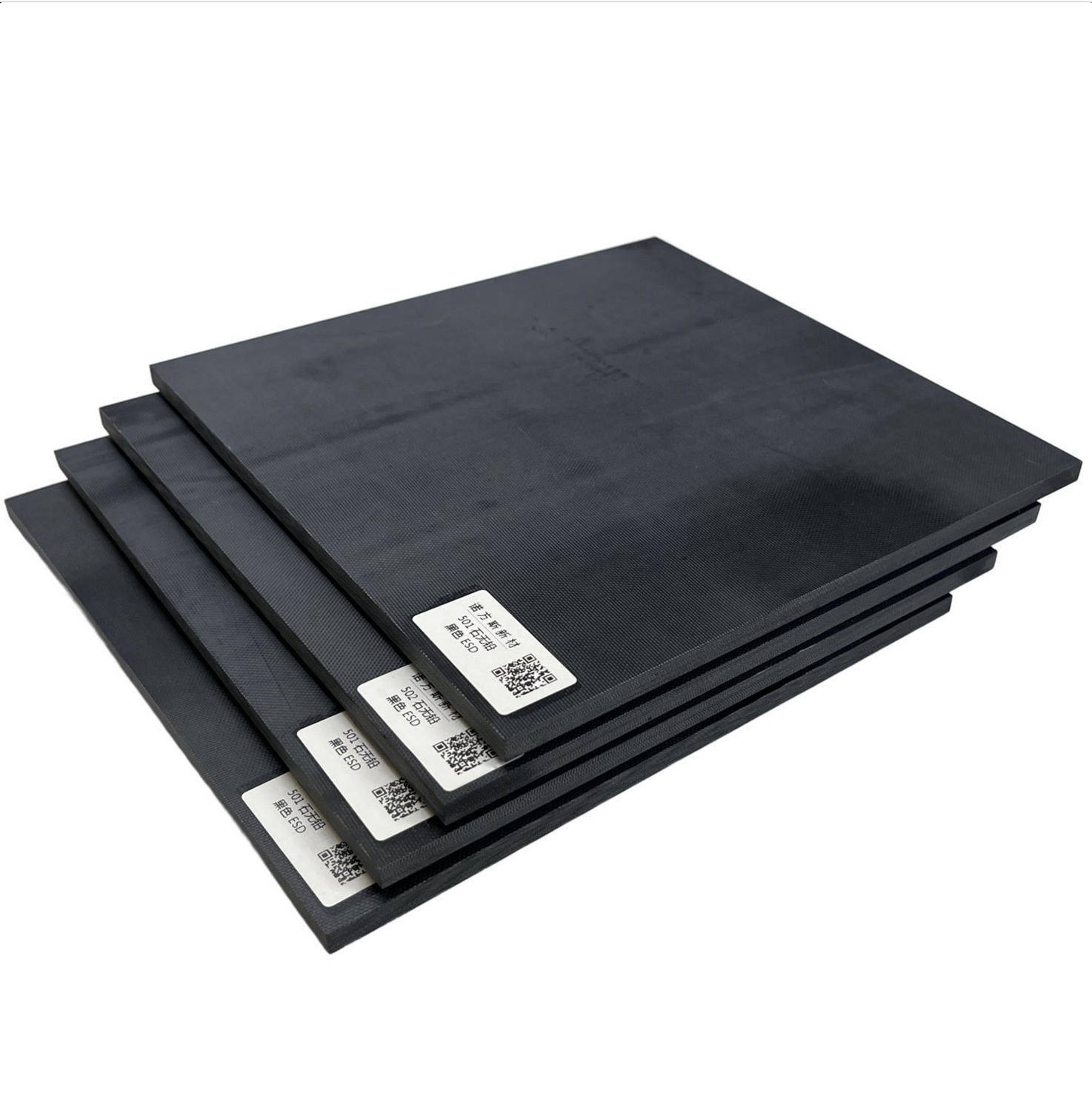
-Non anti-static material: prone to static electricity generation and accumulation, without the function of actively releasing static electricity.
Application scenarios
-Anti static materials: mainly used in the production, transportation, and storage of products that are sensitive to static electricity, such as electronics, semiconductors, and precision instruments. For example, in the chip manufacturing workshop, using anti-static tooling trays can protect chips from electrostatic interference.
-Non anti-static materials: suitable for loading products that are not sensitive to static electricity, such as ordinary hardware, plastic toys, etc.
RELATED NEWS
Application Case of Synthetic Stone in Wave Soldering Fixtures
In the electronics manufacturing industry, wave soldering is common, and synthetic stone materials are crucial for wave soldering fixtures.
High Compression Insulation Board: Superior Insulation for Demanding Applications
Industrial Applications and Benefits: Cold Storage and Refrigeration - Application: These boards are utilized in cold storage facilities, refrigerated trucks, and freezer rooms. - Benefits: They provide superior thermal insulation, maintaining consistent low temperatures and improving energy efficiency in refrigeration systems.
Bakelite Sheet: A Versatile Material for Diverse Industrial Applications
The Bakelite Sheet is a high-performance thermosetting plastic known for its excellent electrical insulation, mechanical strength, and thermal stability. This versatile material has found widespread use across various industries due to its unique properties and reliability.
The Versatile Thermal Insulating Board
One of the key performance aspects of the thermal insulating board is its excellent heat - insulating ability. It is designed to minimize the transfer of heat, whether it is to keep heat in or keep it out. This is achieved through its specific composition and structure. The materials used in the board are often poor conductors of heat, such as certain types of polymers or composite materials. This property makes it ideal for applications where temperature control is crucial.
Exploring the Evolution and Impact of Engineering Plastics in Various Industries
Dive into the world of engineering plastics, their innovations, and how they shape industries.
Engineering Plastics: Shaping the Future of Industrial Applications
Explore the innovative world of Engineering plastics and their pivotal role in various industries.
Subscribe
If you have any questions about our products or price list, please contact us and we will contact you within 24 hours.

Scan Follow Consultation
Tel: +86-400 616 0980
Phone: +86 13826920244 Miss Yang
+86 13903032405 Mr. Yi
Hunan Company: Noves New Materials Industrial Park, No. 5 Shengyuan Road, Yueyang High tech Industrial Park
Jiangsu Company: No. 29 Heshun Road, Industrial Park, Suzhou City, Jiangsu Province
Dongguan Company: No. 2 Xingguang Xinglang Road, Huangjiang Town, Dongguan City, Guangdong Province/No. 2 R&D Fifth Road, Songshan Lake Park
Privacy policy SEO DigitalCard Support: 300.cn Dongguan